Introduction
A comfortable home is not defined by size or luxury. Comfort comes from small details that improve how a space feels and functions daily. Simple adjustments can significantly enhance comfort without major renovations.
Temperature and Airflow Matter More Than Decor
Poor airflow and inconsistent temperature make spaces uncomfortable. Improving ventilation and maintaining balanced temperatures can instantly change how a room feels.
Lighting and Comfort
Lighting affects mood and eye comfort. Spaces with harsh or insufficient lighting often feel unpleasant. Soft, well-distributed lighting improves relaxation and usability.
Furniture Placement and Movement
Crowded or poorly arranged furniture restricts movement and creates discomfort. Rearranging furniture to allow clear pathways improves both comfort and functionality.
Noise Control in Living Spaces
Background noise from appliances or outside sources affects comfort. Reducing noise where possible helps create a calmer living environment.
Textures and Soft Surfaces
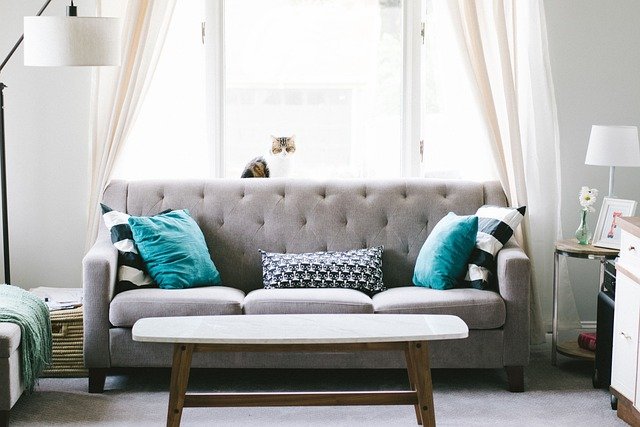
Rugs, curtains, and cushions absorb sound and add warmth. These elements improve physical and emotional comfort in living spaces.
Organization That Supports Daily Life
Comfort increases when items are easy to access and store. Functional organization reduces frustration and supports daily routines.
Conclusion
Home comfort depends on how a space supports daily life. Small changes in airflow, lighting, layout, and organization can make a home feel more welcoming and enjoyable without major effort.
Disclaimer
This content is for informational purposes only. Individual homes may vary.
Reference Links
https://www.thespruce.com/how-to-make-your-home-more-comfortable-4844379
https://www.realsimple.com/home-organizing/decorating
https://www.apartmenttherapy.com/how-to-make-your-home-more-comfortable-36900224